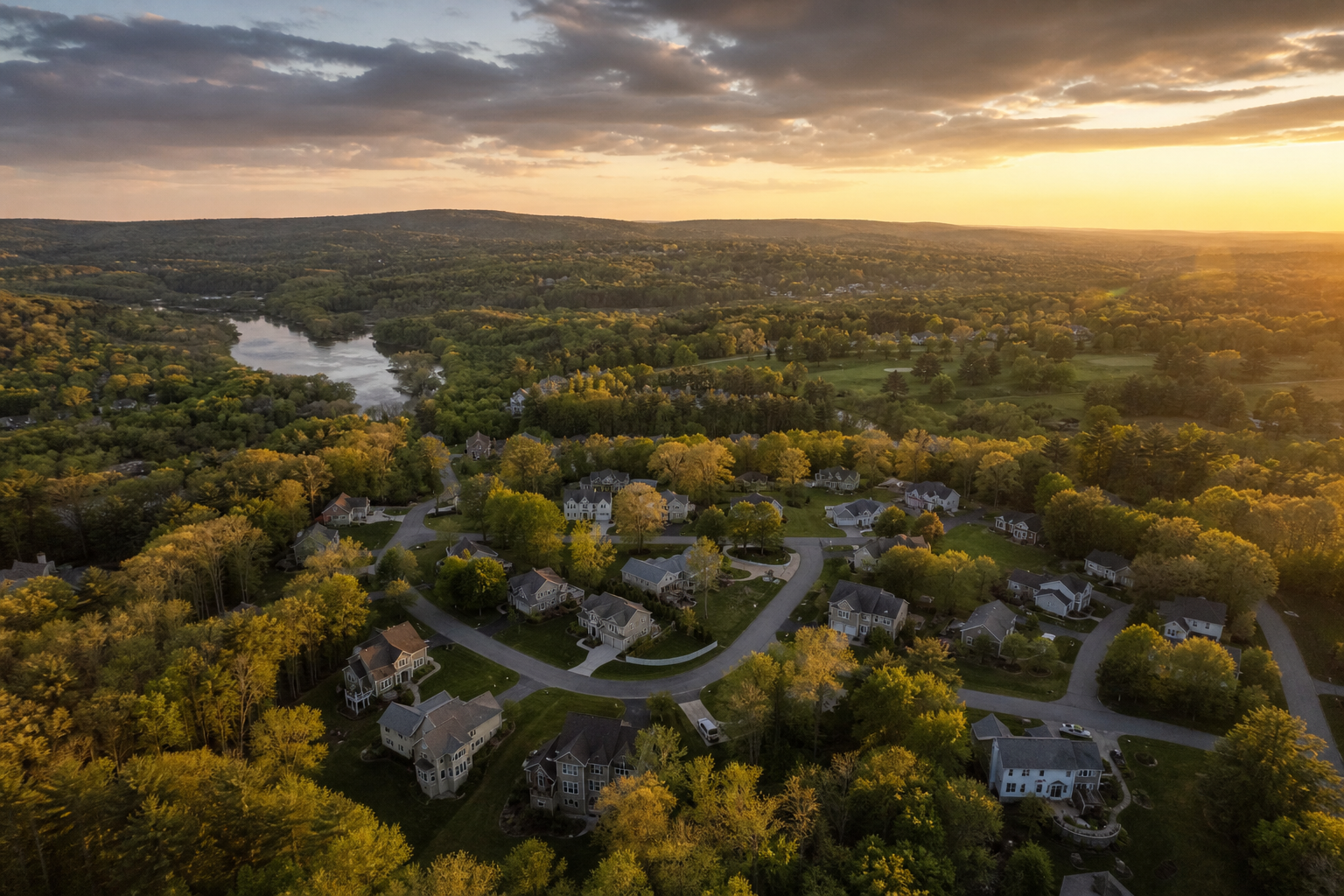
New construction homes in Cumberland, RI offer modern layouts, energy-efficient systems built to current Rhode Island building and energy codes, builder warranties, and lower early maintenance costs compared with older resale homes. The right fit depends on the specific builder, development, and how the home's documented features align with your priorities and budget.
Key Takeaways
- New homes in Cumberland are built to Rhode Island's current construction and energy-efficiency standards, which set requirements for insulation, windows, air sealing, and mechanical systems that older homes were not required to meet.
- Rhode Island's energy code references the 2024 International Energy Conservation Code (IECC) for new construction, making energy performance a code floor, not just a marketing claim.
- Every new-construction purchase agreement should document which features are standard specifications and which are paid upgrades before you sign.
- Cumberland is updating its Comprehensive Plan in 2026, so understanding what is planned for surrounding parcels matters when evaluating any new development today.
- A builder's written warranty is only as useful as its coverage terms, exclusions, and claim procedure, so read it before you commit, not after you close.
Why new construction in Cumberland makes sense to consider
I work with buyers across the Worcester/Providence corridor, and Cumberland comes up often for a simple reason: it sits in northern Rhode Island, close to the Massachusetts border, with access to Providence-area employment and services without being in the middle of a dense urban market. For buyers who want a newer home without relocating far from either city, it's a corridor worth taking seriously.
That said, "new construction" is not a single thing. It covers a range of builders, price points, finish levels, and development types. What I tell every buyer who asks me about new builds is this: the word "new" tells you the home is recent, not that it's right for you. You have to evaluate what's actually included.
Built to current Rhode Island code standards
This is the most concrete advantage, and it's one buyers often underestimate. Rhode Island's current building regulations incorporate the 2021 Rhode Island Building Code , and the state energy code references the 2024 International Energy Conservation Code (IECC) . For a new home in Cumberland, that means the design must satisfy current statewide construction and energy-efficiency requirements, not the standards that were in place when older homes in the area were built.
In practical terms, the Rhode Island Building Code includes specific requirements for building-envelope performance, insulation, windows, air sealing, and mechanical systems. A home built to these standards starts from a higher performance baseline than a resale home built decades ago, even a well-maintained one. That can translate to more consistent indoor temperatures, lower drafts, and reduced heat loss, though actual utility costs depend on how you use the home and the specific systems installed.
One important caveat: permit timing and construction dates can affect which exact code edition applies to a given development. Always ask the builder for the permit date, the applicable code edition, and energy-code compliance documentation. Don't take "built to code" as a self-verified claim.
Modern design and features that resale homes rarely match
New construction homes typically offer open floor plans, contemporary kitchen and bath layouts, attached garages, modern electrical capacity, and current HVAC systems. These aren't guaranteed by the word "new," but they're common because they reflect how buyers want to live today and what builders compete on.
What matters more than the marketing language is documentation. Before you sign a purchase agreement, get the builder's written specification sheet and identify exactly what is included as a standard feature versus what costs extra as an upgrade. I've walked buyers through purchase agreements where items shown in the model home, from certain flooring to lighting packages, were upgrade-tier. If it's not in the contract, it's not in the price.
Builder warranty coverage
A new construction home typically comes with a builder's warranty covering workmanship, systems, and structural components. This is a real advantage over buying a resale home, where you inherit whatever condition the home is in and whatever the sellers disclose.
But a warranty is only as useful as its terms. Before you commit to any new-construction purchase, obtain the builder's written warranty and read it carefully. Identify the coverage period for each category, including workmanship, mechanical systems, and structural components, what is explicitly excluded, how you file a claim, and how the builder handles seasonal or cosmetic issues.
Also confirm who is responsible for roads, drainage systems, landscaping, snow removal, and shared amenities after the development is complete. These responsibilities sometimes transfer to a homeowners association or the municipality, and sometimes they don't transfer cleanly at all.
Lower early maintenance costs
New systems, new roof, new appliances, new plumbing. In the first several years of ownership, a new construction home generally requires less unplanned maintenance spending than a comparable resale home. That's not a guarantee, and build quality varies by builder, but it's a real pattern I see with my clients. The budget that would go toward replacing a 15-year-old HVAC system or a deteriorating roof in year two of ownership stays in your pocket.
This matters especially for first-time buyers who are stretching to cover a down payment and closing costs. Knowing that the major systems are new reduces one category of financial risk in the early years.
What to evaluate before buying new construction in Cumberland
Understand the planning context around the development
Cumberland is currently undertaking a 10-year update of its Comprehensive Plan in 2026. The plan addresses land-development patterns, economic development, environmental hazards, parks and open space, and historic and natural resources. That's directly relevant to any new-construction buyer evaluating a specific development today.
Before you sign, compare the builder's site plan with Cumberland's zoning and planning information. The town's existing 2016-2036 Comprehensive Plan is publicly available and covers surrounding land uses, transportation, and open space. Confirm lot boundaries, drainage features, wetlands or other environmental constraints, road ownership and maintenance, utility connections, and whether nearby undeveloped parcels may be developed later. That last point matters: a view or a quiet street at the time of purchase can change if adjacent land is approved for future development.
Cumberland's Building and Zoning Department at Town Hall can help you verify applicable zoning, permitting, inspection history, and local development information for a specific property or subdivision. Use it. This is exactly the kind of due diligence that protects you before you're under contract, not after.
Ask the builder the right questions
The questions that separate a well-informed buyer from one who's relying on the model home experience are specific and practical. Here's what I walk my clients through before they engage seriously with any builder:
- What is the permit date, and which Rhode Island code edition applies to this development?
- Can you provide energy-code compliance documentation, insulation specs, and window specifications?
- What is the HVAC system's efficiency rating, and who services it under warranty?
- Does the home carry any third-party certification such as Energy Star, and can you show the documentation?
- What is the full written specification sheet for standard inclusions versus paid upgrades?
- What does the builder's warranty cover, for how long, and what is the claims process?
- Who owns and maintains the roads, drainage, and shared amenities after the development is built out?
- Are there any planned developments on adjacent parcels you're aware of?
A builder who can answer these questions clearly and in writing is a builder worth continuing the conversation with. Vague answers to specific questions are a signal, not a minor inconvenience.
If you want a full picture of what buying in this market involves financially, including cash requirements at closing, the post on how much cash you need to buy a home in the Worcester or Providence area is a practical starting point.
Cumberland's regional position
Cumberland sits in northern Rhode Island, near the Massachusetts border, which gives buyers access to both the Providence employment and services network and the broader Worcester corridor. Exact commute times, school assignments, tax rates, and property-specific details require verification at the individual property level. Don't rely on generalized claims about any of these from a builder's marketing materials. Confirm them with current, property-specific sources before you make a decision.
| WHAT TO VERIFY | WHERE TO CONFIRM IT |
|---|---|
| Applicable building and energy code edition | Builder, permit date and documentation, and RI Building Code Commission |
| Zoning and adjacent land uses | Cumberland Building and Zoning Department, Town Hall |
| Comprehensive Plan and future development patterns | Cumberland Planning and Community Development, 45 Broad St, 401-728-2400 |
| Standard inclusions vs. paid upgrades | Builder's written specification sheet, obtained before signing |
| Warranty terms, exclusions, and claims process | Builder's written warranty document |
| Road, drainage, and amenity maintenance responsibility | Purchase agreement and HOA documents, if applicable |
FAQ
Are new-construction homes in Cumberland more energy-efficient than older homes?
New homes in Cumberland are built to current Rhode Island energy standards, which reference the 2024 International Energy Conservation Code (IECC) and include requirements for insulation, air sealing, windows, and mechanical systems that older homes were not required to meet. That gives new construction a higher performance baseline, but actual efficiency depends on the specific systems installed and how the home is used. Ask the builder for energy-code-compliance documentation and any third-party certifications before assuming the home meets a particular standard.
What modern features are commonly included in new homes in Cumberland?
New construction homes in Cumberland commonly feature open floor plans, contemporary kitchen and bath layouts, attached garages, modern electrical capacity, and current HVAC systems. These features are common but not universal, and what's included at the base price versus what costs extra as an upgrade varies by builder. Get the builder's written specification sheet before signing anything, and document every included feature in the purchase agreement.
Do new-construction homes in Cumberland require less maintenance?
Generally yes, in the early years of ownership, because all major systems, the roof, HVAC, plumbing, and appliances are new. That reduces the likelihood of unplanned repair costs in the first several years compared with a resale home of similar size. Build quality varies by builder, so the best way to evaluate this is to review the builder's warranty terms and ask about the quality of materials and systems included at the standard specification level.
How can I evaluate the builder's warranty and construction quality?
Obtain the builder's written warranty before signing the purchase agreement and review the coverage period for each category, including workmanship, systems, and structural components, what is explicitly excluded, and how claims are filed. For construction quality, ask for the permit date and applicable Rhode Island code edition, request energy-code compliance documentation, and confirm which features are standard versus upgrades. If you have questions about how to interpret what you're reading, that's exactly the kind of thing I work through with my clients before they commit.
What should I ask a builder before buying a new home in Cumberland?
The most important questions cover the permit date and applicable code edition, energy-code compliance documentation, insulation and window specifications, HVAC efficiency ratings, the full written specification sheet distinguishing standard from upgrade features, the builder's warranty terms and claims process, and who is responsible for roads, drainage, and shared amenities after the development is complete. Getting clear, written answers to these questions before signing is one of the best ways to protect yourself in a new-construction transaction.
The bottom line on new construction in Cumberland
New construction homes in Cumberland offer real, concrete advantages: current code compliance, modern design, builder warranty coverage, and lower early maintenance exposure. Those advantages are worth pursuing, but only when you've verified what's actually included, understood the planning context around the development, and read the warranty before you sign.
I specialize in new construction across the Worcester/Providence corridor, including Cumberland. If you're evaluating a specific development or want to understand how a new build compares to resale options in this market, let's talk through it. Call or text me at (774) 225-8916 , or request a home valuation or consultation and we'll start from your specific situation.
About Fawaad I. Qamar
Fawaad I. Qamar is a REALTOR® with Whitestone Realty Group serving buyers and sellers across the Worcester/Providence corridor, specializing in new construction and first-time home buyers in communities like Grafton, Uxbridge, Cumberland, and Lincoln. He brings a data-driven, trusted-advisor approach to every transaction, combining local market knowledge with strategic guidance.
Whitestone Realty Group
Equal Housing Opportunity. Fawaad I. Qamar, REALTOR® | Whitestone Realty Group | MA License: 9525643 | RI License: 41094 | Member of the Massachusetts Association of REALTORS® (MAR), Rhode Island Association of REALTORS® and National Association of REALTORS® (NAR). This article is for general informational purposes only and is not legal, tax, or financial advice. Confirm property-specific numbers and transaction details with your closing agent, tax advisor, lender, attorney, builder, or other appropriate professional.